
Rules of etiquette
Every student enters graduate school with many forms of debt. The most obvious is financial, but your debt is also in the knowledge, awareness, and skills relevant to your discipline red dog slots. The faculty are there to bring you up to their professional level; they have already endured years of education, training, licensure, and practice—all of which they offer to you as you prepare for the same path. A professional attitude is one that accepts their work on your behalf by opening yourself to this offering. It communicates that you value the time and effort that they devote to your preparation, dedicate yourself to the training, and honor the professional community and its image.
The people in your program who have evaluative power or authority are the ones who will most directly judge your professionalism. Because of this, I use terms such as professor, faculty member, instructor, supervisor, and advisor somewhat interchangeably; teaching assistants and other senior students may also at times fill teaching or advising roles. It cannot be overstated that how you behave around staff as well as peers also shapes your professional reputation. For example, when a student is rude to our administrative assistant, the faculty hears about it. When students come forward with a concern about the behavior of one of their peers, the faculty will investigate. All of this protects the profession.
Even more complicated, the application of professionalism to specific situations varies not only by profession but also by context. For example, the particular expectations of a lawyer may be different from those of a teacher, and what may work in a hospital might not work in a business office. In both cases, the would-be professional will have to make a judgment based on the best available options. The fact that professionalism requires judgment necessarily means that there is no single right way to be professional in every situation. That is why you need to develop a mindset that maintains focus on your professional responsibilities.
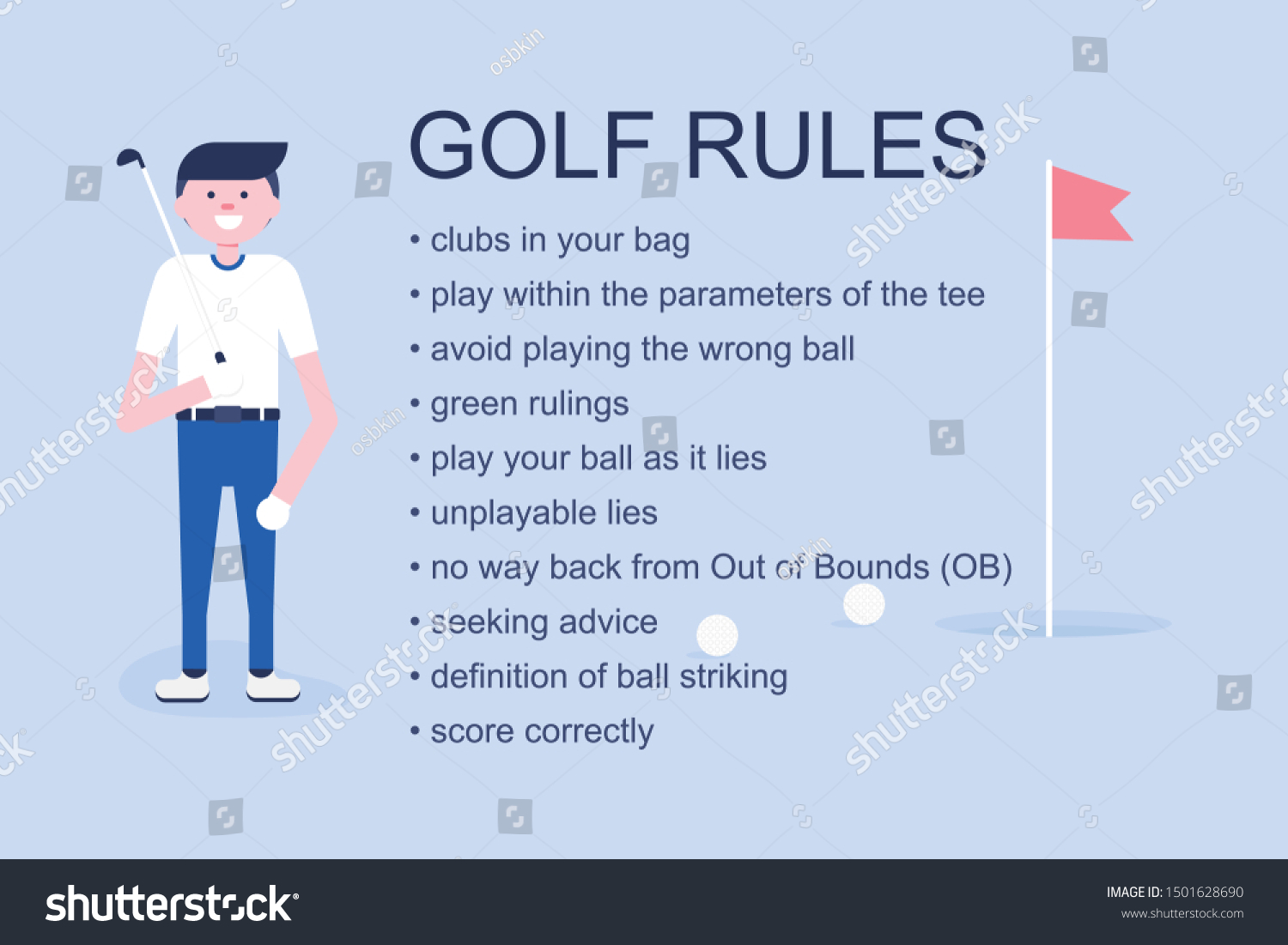
5 rules of golf etiquette
How you swing the club is less important than how you move around the course. The more familiar you get with the rhythms of a round, the more you realize that you’ve got some latitude when you’re not on the tee. In some cases, for instance, it’s okay to walk or ride ahead of your partners while they’re hitting in the fairway, so long as you’re not in their line of play (in fact, it’s often the right thing to do to keep things moving).
A golf, food and travel writer, Josh Sens has been a GOLF Magazine contributor since 2004 and now contributes across all of GOLF’s platforms. His work has been anthologized in The Best American Sportswriting. He is also the co-author, with Sammy Hagar, of Are We Having Any Fun Yet: the Cooking and Partying Handbook.
It is important to remember that the game’s purpose is to enjoy yourself and have fun with your friends. When you are constantly checking your phone or scrolling through social media, it takes away from that experience. If you need to use your phone, turn it on silent mode and stay focused on the game.
Golf carts are a great way to enjoy the game. However, it is important to know any rules governing their usage. Depending on the weather and conditions, you may only be able to drive them on the designated cart path. This is true for winter golf or when the ground is wet, as it prevents damage and erosion to the course. Additionally, certain holes, such as the first, ninth, and eighteenth holes, seen from the parking lot or outside the course, will usually have a cart path rule in place. This is done to maintain a good impression by visitors and potential customers.
When approaching the putting green, respect the golfer’s space and step to the side if you need to observe their line. Similarly, standing behind the hole is also distracting, so avoid that position. Instead, stand behind other golfers or far enough away that you won’t be in anyone’s direct line of sight.
Rules of meeting etiquette
It’s no secret the workers feel crunched for time and stressed trying to manage everything on their plates. Specifically, according to Microsoft, 68% of employees feel short on uninterrupted time to get focused work done.
More than half of the meetings are just mundane work obligations that are not conceived as a conversation about finishing the project, but as that boring lesson that you sat through back in school days.
With tools like Rev’s Notetaker, part of our newly released platform, you can record and accurately transcribe the entire meeting so everyone can review important moments later. Instead of furiously scribbling to keep up with the details, participants can focus on listening and contributing to the meeting. Just be sure you follow any relevant state laws about recording meetings and phone calls.
Try to stick to the agenda as much as possible; it’ll keep you on track and get everyone out on time. Moving through items randomly as they come up will derail positive contributions for things directly tied to your meeting.