
The journey of gambling tracing its historical evolution through centuries
The Ancient Origins of Gambling
The history of gambling can be traced back to ancient civilizations, with evidence suggesting that games of chance were played as far back as 3000 BCE in China. Archaeological findings indicate that rudimentary dice were used in these early games, reflecting the innate human desire to test luck and chance. Similarly, ancient Egyptians also engaged in gambling activities, utilizing games that involved betting on various outcomes, and exploring crypto gambling sites has also become part of modern gaming experiences.
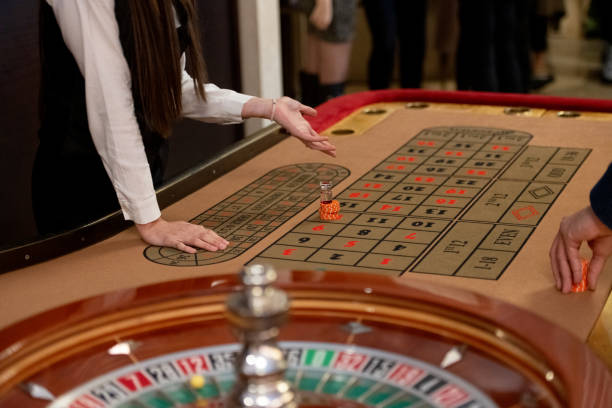
The Greeks and Romans further advanced gambling practices, incorporating betting into sporting events and even theatrical performances. These societies laid the groundwork for organized gambling, setting the stage for more structured systems in the years to come. The blend of social interaction and the thrill of chance made gambling a popular pastime across cultures.
The Medieval Era and Gambling’s Evolution
During the medieval period, gambling became more regulated as it intertwined with the rise of monarchies and state control. The emergence of card games, originating in Asia, transitioned to Europe, where it gained immense popularity. Games such as poker and blackjack have roots in this era, evolving from simple pastimes into more complex forms that involved strategy and skill.
In this period, gambling also faced scrutiny from religious factions. Many viewed it as morally questionable, leading to fluctuating regulations. Despite these challenges, gambling persisted, often transitioning into informal gatherings where community members would engage in games of chance for entertainment and social bonding.
The Rise of Gambling Establishments
The 17th and 18th centuries marked a significant turning point in the evolution of gambling, with the establishment of public gaming houses and casinos. These venues provided a formal environment for gambling, attracting a diverse clientele eager to try their luck. The allure of opulent settings combined with the thrill of potential winnings created a unique entertainment experience that drew in the wealthy and the working class alike.
In this era, the popularity of lotteries surged, often used as a means to fund public projects. Governments began to regulate these establishments, leading to the creation of legal frameworks that govern gambling activities. This period set the tone for modern gambling practices, establishing a balance between regulation and enjoyment.
The Modern Age: Technology and Gambling
The 20th century witnessed a revolution in gambling, primarily driven by advancements in technology. The introduction of slot machines and electronic gaming transformed the gambling landscape, making it more accessible to the general public. These innovations led to a significant increase in participation, further solidifying gambling’s place in entertainment culture.
With the advent of the internet, online gambling emerged, offering players the convenience of gaming from home. This digital transformation opened new avenues for gambling, leading to the rise of online casinos and sports betting platforms. The ability to engage in gambling activities remotely has made it a ubiquitous part of modern life, raising discussions about regulation and responsible gaming.

Exploring Online Gambling Today
As we navigate the contemporary landscape of gambling, the proliferation of online platforms offers an unparalleled variety of options for players. With the ease of access to games ranging from traditional poker to modern video slots, online casinos have transformed how enthusiasts engage with gambling. The integration of technology has not only made gambling more convenient but has also created an interactive experience that appeals to a broader audience.
In this vibrant online space, players can explore a multitude of games, enjoy attractive bonuses, and engage with others globally. As the industry continues to evolve, staying informed about emerging trends and regulations becomes essential for both players and operators. Understanding the historical context enriches the experience, allowing participants to appreciate the depth and evolution of this age-old pastime.